
Horror News
The Best Underground Horror


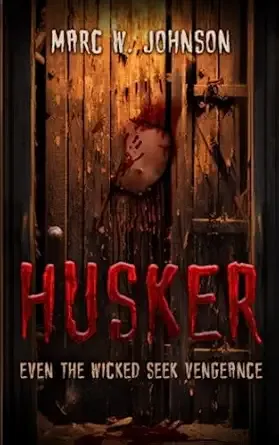
“Husker” is a sanity trap with teeth

You know that specific flavor of horror where the monster is not the first problem?
The first problem is your own brain.
That’s the lane “Husker” lives in. It’s built around Jennifer Rollins, and her fear is not abstract. Her mother had schizophrenia, and Jennifer has carried this lifelong dread that she’s going to lose her mind the same way. That detail alone sets the tone because now every creepy moment has teeth. If she sees something, is it real? If she hears something, is it real? If she’s terrified, is she right to be, or is her fear doing what fear does and turning the volume up until it becomes reality?
And then life decides to press directly on the bruise.
Jennifer gets news her father has been brutally murdered, and she comes home. That “coming home” move in horror is always a mistake, and I mean that with love. Home is where the story has receipts. Home is where the past is waiting. Home is where the house has corners you forgot about, and every creak feels personal.
She reconnects with old friends and a high school beau, which sounds normal for about two seconds until the horror starts showing up. Jennifer begins seeing horrific images and hearing terrifying things, and the story leans hard into the nightmare question: are her worst fears manifesting, or is something actually hunting her? She becomes convinced the killer is coming for her, and that dread is the kind that crawls, because even if she runs, she’s still stuck with the one thing she can’t escape: her own mind.
Then we get the kind of detail that horror readers immediately clock as “oh, we’re not safe”: she finds something hidden away in the attic of her childhood home, and it connects to murders from the distant past. Attics are never innocent in horror. Attics are where secrets rot. Attics are where someone thought, “If I shove this far enough away, it stops existing,” and horror always answers, “Nope.”
Jennifer takes what she found to the police and gets dismissed because of her publicized history. That part is so brutal because it’s the perfect trap. If you’re telling the truth and nobody believes you, you’re isolated. If you’re not telling the truth, you’re isolated. Either way, you’re alone with whatever is happening, and horror thrives in that silence.
One reviewer straight up calls it an “absorbing thriller with some excruciating horror,” and I love that phrasing because it tells you this isn’t just spooky wallpaper. They also mention the narrative bouncing from scene to scene “like a screenplay,” which makes sense for a story like this, because this kind of horror lives on momentum. You don’t get to rest. You don’t get to settle in. It keeps moving, keeps introducing pieces, keeps tightening the grip until it hits what they describe as a chaotic climax.
And the best part, if you like paranoia horror, is the possibility of an unreliable narrator. The review leans into that question hard, even throwing out the “are there really witches and ghosts and body-snatchers?” angle. That’s the fun of it. You don’t get handed the answer early. You get handed dread and told to chew.
Then there’s the other review, which is short and loud in the most relatable way: “I couldn’t put it down,” and “Somebody in Hollywood should read this book.” That’s the horror-reader translation of, “This played like a movie in my head and I didn’t want it to stop.”
So yeah. “Husker” sounds like one of those reads where you’re telling yourself you’ll do one more chapter, and then you’re up later than you planned, and when you finally put it down, you’re doing that thing where you walk through your place a little slower because you’re suddenly aware of every shadow and every sound.
Not because you think you’re being dramatic.
Because the story is designed to make you wonder if the person who should be most afraid is Jennifer…
Or you.




Follow Us!


