
Horror News
The Best Underground Horror

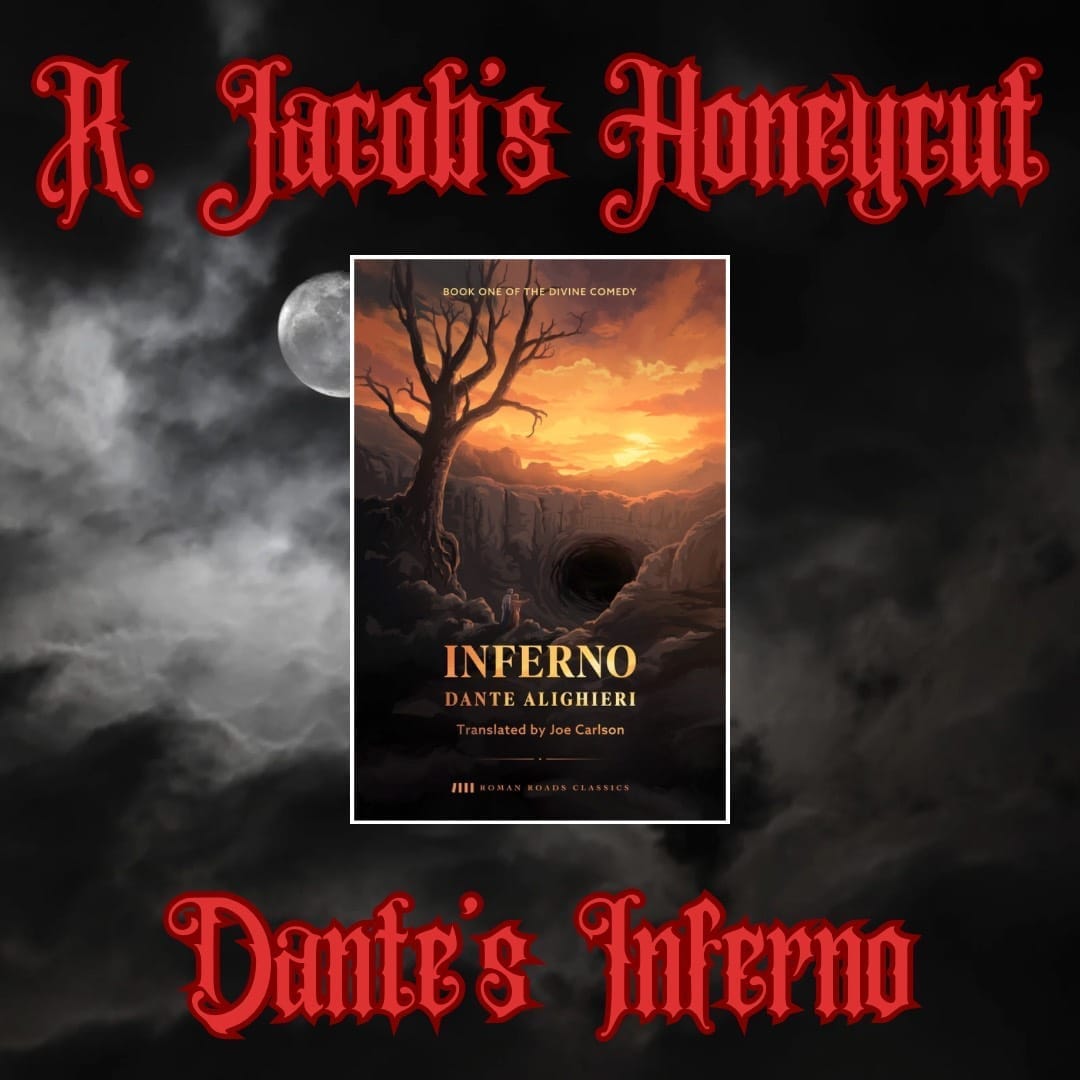
The Honeycut: Religion and Mythology Engulf in Dante’s ‘Inferno’


Italian superstar, Dante Alighieri, wrote the “Divine Comedy” from 1308-1321.Which is crazy, because if I spent more than a few months working on a book, I’d lose my mind. It is divided into three parts: “Inferno,” “Purgatorio,” and “Paradiso.” If you’re not Italian, it means Hell, Purgatory and Heaven. In the extremely long poem, we follow our main character and author, Dante, as he travels through each of these areas of the afterlife. I’d say it’s one of the first works of horror fiction, with, demons, monsters, unsettling scenes, etc. While most people get hung up on the “Inferno’s” detailed, memorable description of Hell, I want to point out some things, other than the infernal punishments, that stood out to me.
I always think of the Divine Comedy on Easter Weekend. Mainly because the “Inferno” begins on Maundy Thursday and Dante reaches the gates of Hell on Good Friday. I’ve always enjoyed Easter; it’s an interesting holiday. Of course, it’s a major religious holiday for Christians. So, what’s with the bunny? Throughout history, when Christians took over a place, they incorporated their own beliefs into pagan holidays, to make the transition easier. The Easter Bunny is a byproduct of that, symbolizing fertility and whatnot. It’s the same reason why Santa Clause is basically a nicer Odin. Also, I hate the cold and snow, so to me it’s also a day to celebrate the end of winter and welcome in warmer weather.
Where does Dante find the entrance to the underworld? Did he have to die and travel through some ethereal plain? No, he finds it while walking in the woods. Now as silly as this might sound, I really like this idea. Hell isn’t some far off, metaphysical place, it is an actual location on Earth. Like most religious concepts throughout history, you can get to the underworld by following Google Maps.
It's interesting that the entrance to Hell is located in the woods. I used to go hiking a fair amount. Even in broad daylight, there is something otherworldly about being in a forest. It’s a place outside the ‘civilization,’ where people aren’t in charge, animals and the elements are. If you’ve ever been out there after the sun goes down, then you know it can be an eerie place that does not feel completely safe.
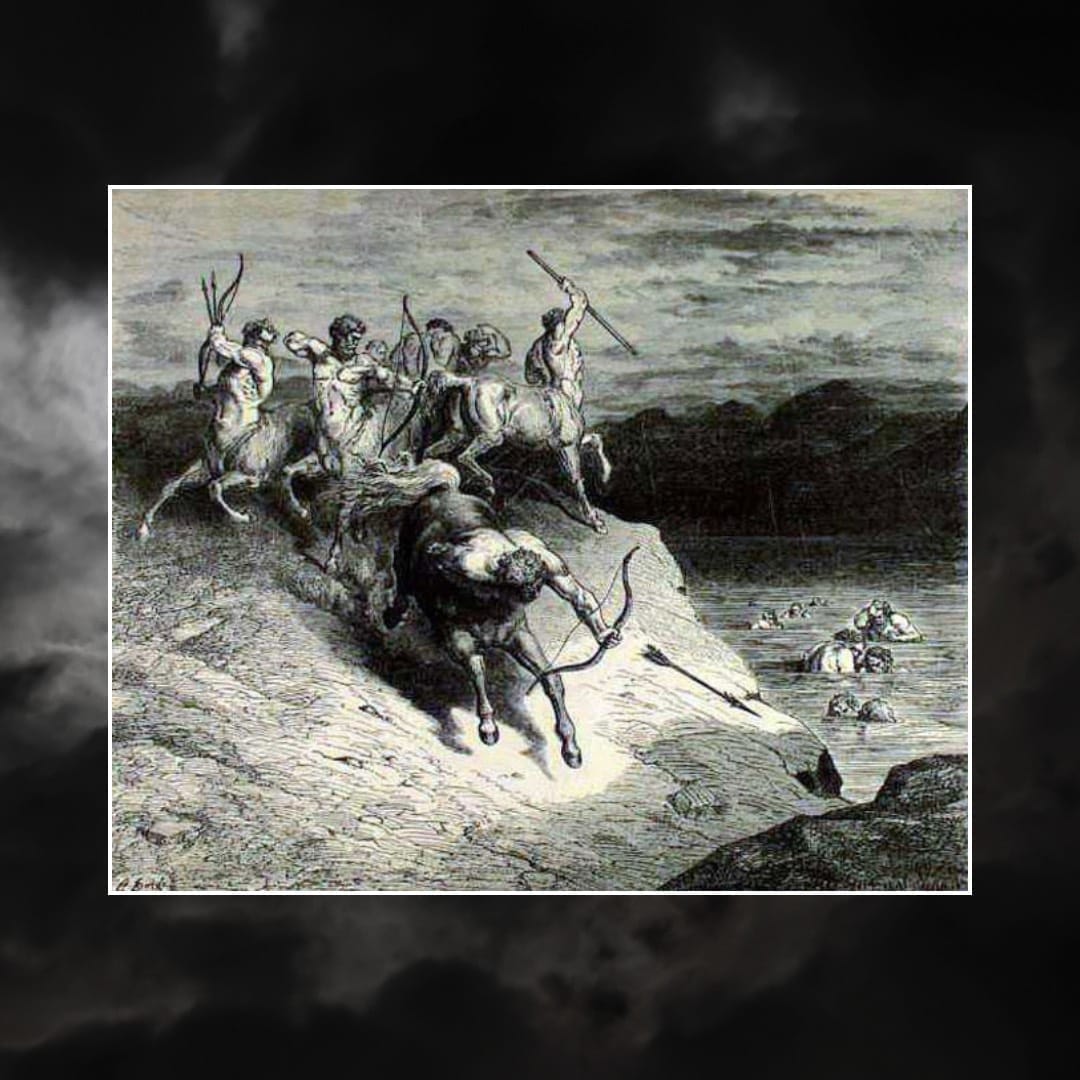
Now that I think about it, Dante’s story reminds me of the Greek mythology tale of Eurydice and Orpheus, where Orpheus travels into the underworld to bring back Eurydice to the land of living. Speaking of that story, various creatures from Greek mythology make appearances in the “Inferno,” such as centaurs, a minotaur, and harpies. It makes sense, as when Christianity became the main religion in a new area, the old religions became heresy. There’s also something to be said how many religions come and go throughout human history. If you look at it from a worldly sense, it’s as if gods are born from human’s faith in them and die when people don’t believe in them anymore. It’s odd to think about.
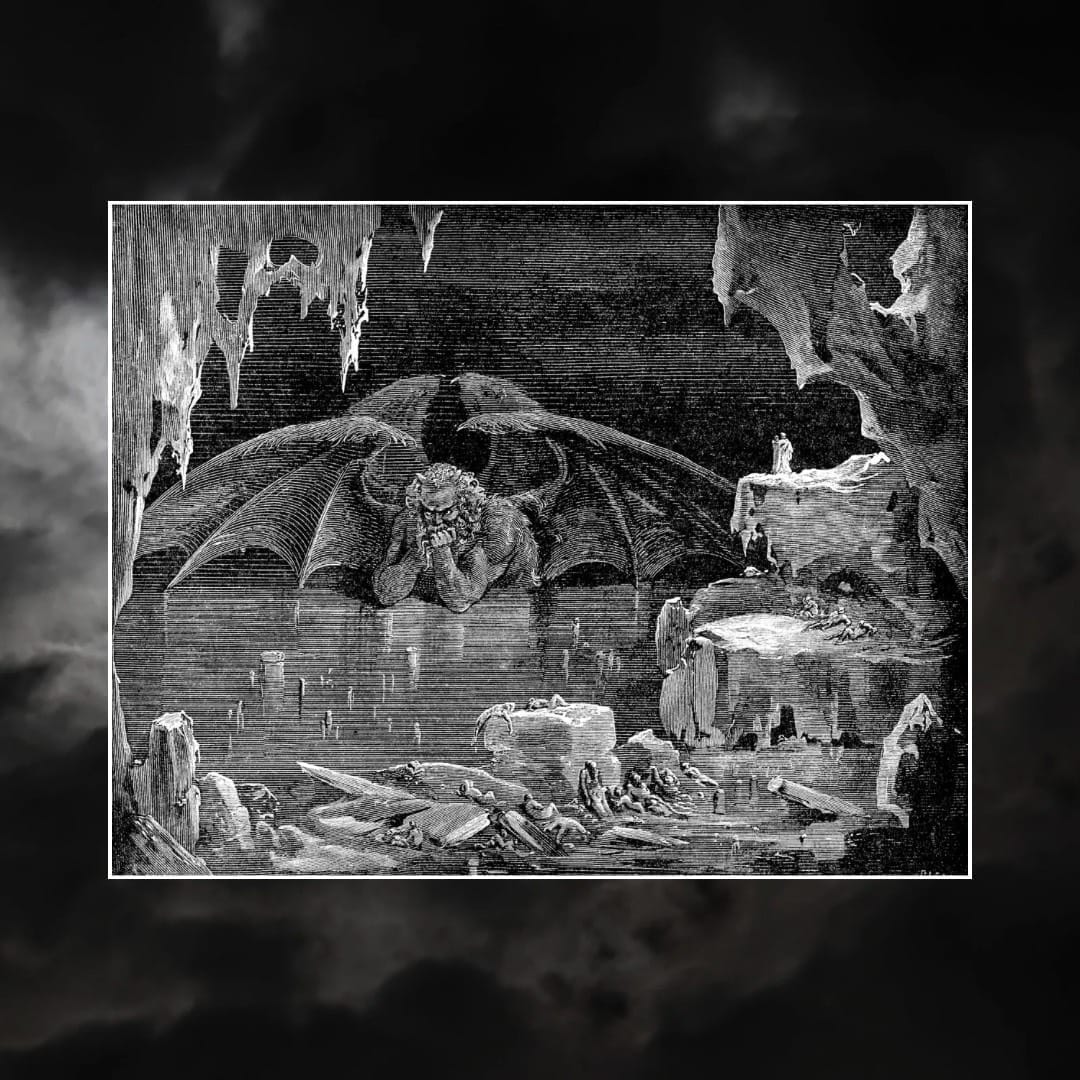
The “Inferno” ends when Dante climbs up, then down Satan to pop out on the other side of the world in the Southern Hemisphere. In the 1300’s it was still a mystery to the western world what the Southern Hemisphere looked like. The Age of Exploration was still at least a hundred years away. If all they could see was from the coast was the ocean this makes sense. Dante emerges on an island, at the base of Mount Purgatorio, setting up the next book. Again, we see Purgatory as a place on Earth, reminiscent of Mount Olympus.
While I’m not smart enough to read the Divine Comedy every year on Easter Weekend, it does always cross my mind. In Dante’s time, Freddy Kreuger, Jason Vorhees, Michael Myers did not exist. The scariest thing, in a supernatural sense, was damnation. Many depictions of Hell, even 800 years later, come from the “Inferno,” and Renaissance paintings based on it. It’s creative that Dante thought to use creatures from Greek and Roman mythology in the “Inferno” as well. Even in my own writing, I use various nods to Greek mythology. It has such a rich lore. Anyway, if you find yourself walking in the woods in the middle of the night, watch your step. Because you might make a wrong turn and find yourself in the depths of Hell.

R. Jacob Honeybrook is a fiction author and contributor to TBM Horror. He also co-hosts the Midnight Terrors Podcast alongside Kevin Roche. Check out his books here. Follow him on Instagram!




Follow Us!


