Horror News
The Best Underground Horror

The Honeycut – Author Aurelie Duncanson Discusses the Art of Psychological Thrillers
Aurelie Duncanson is an author of psychological fiction. We have read most of each other’s work. Out of her seven published books, I have read four of them: “The Mind’s Appetite,” “The Neighbor She Never Knew,” “Whispers from the City of Light,” and “The Woman Who Came for Christmas.”
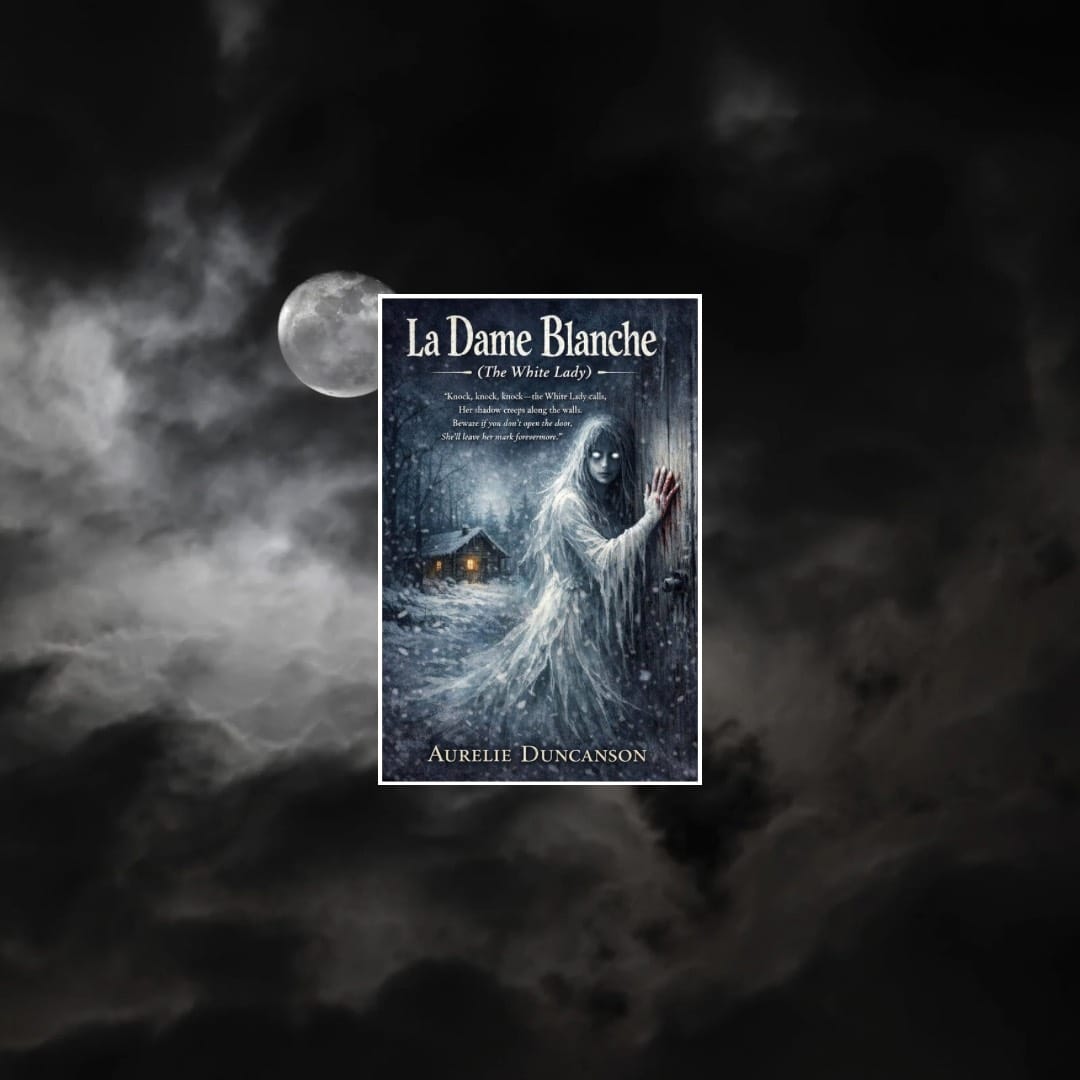
Her latest book, “La Dame Blanche,” was originally published as part of an anthology. However, she released it as a standalone at the end of December. It is based on a folkloric legend. The White Lady is a spirit that roams the woods. When a group of children hears her knock on their cabin door, the myth quickly becomes reality.
Aurelie took some time to answer a few of my questions about her writing.
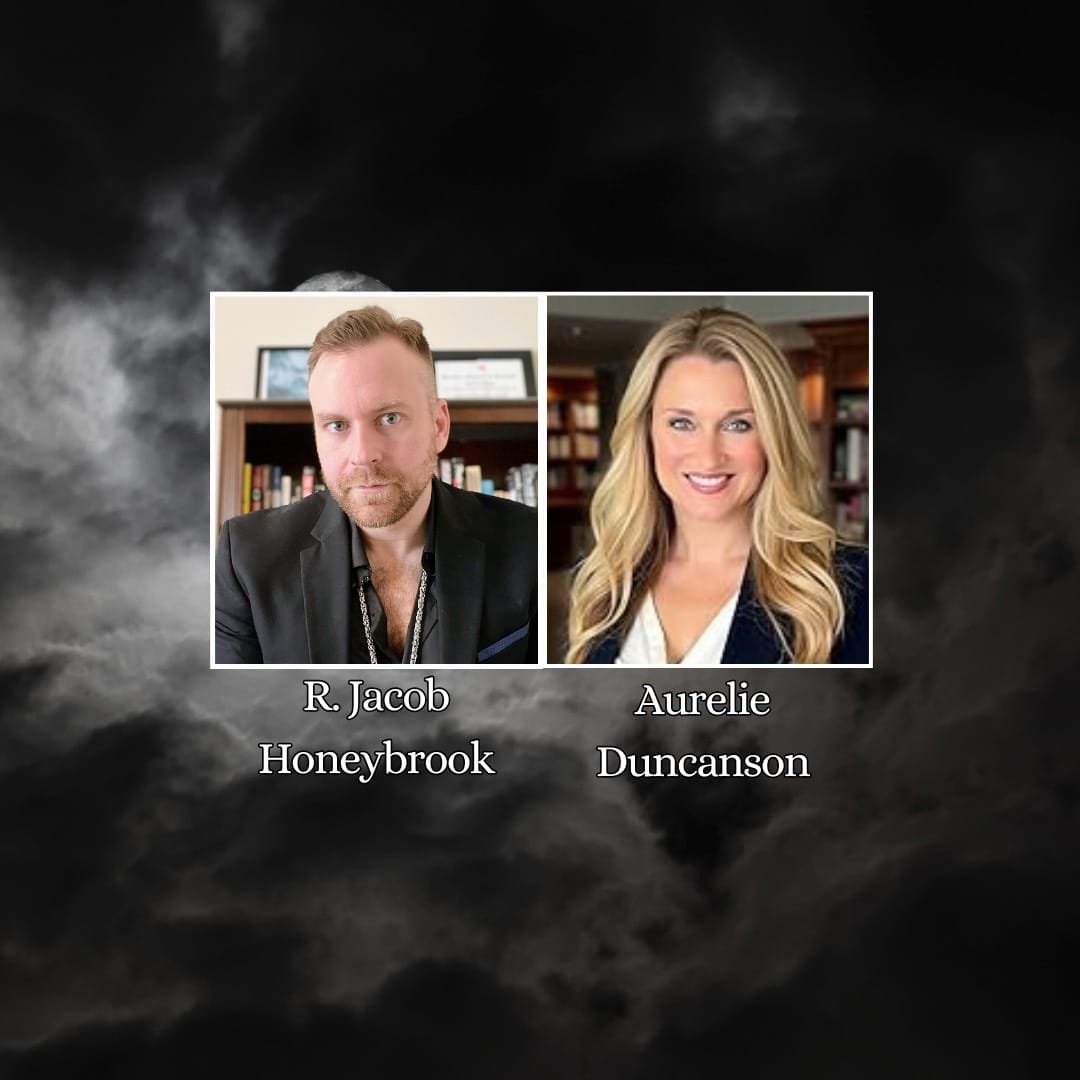
R. Jacob Honeybrook: Thank you for taking the time to do this interview. Why don’t you start by describing your writing style and brand of fiction to the readers?
Aurelie Duncanson: I write psychological thrillers and mysteries centered on grief, memory, and unreliable perception. My stories explore how trauma distorts reality, often placing characters in isolated settings where tension builds through conversation, atmosphere, and what remains unspoken. I’m drawn to intimate, slow-burn narratives where familiar relationships conceal darker truths. Rather than overt violence, I focus on psychological unease and the fear of not knowing what—or whom—to trust, including your own mind.
RJH: What draws you to that psychological aspect?
AD: I write psychological thrillers because I’m deeply interested in the human mind. Trauma, memory, fear, and perception all shape how people behave, and I like examining what happens when those inner pressures start to crack. For me, that tension is more compelling than physical violence alone.
RJH: Your new book “La Dame Blanche” seems to stray away from the psychological and delve more into a haunting legend. Why did you want to make that switch?
AD: I had to write a short supernatural story for the anthology “As Told Under the Moon,” so I drew from my own childhood experience with the legend of the White Lady. I was that kid in the cabin in the snowy Pyrenees Mountains. I just embellished it a little.
RJH: What would you say sets your latest work apart from your previous books?
AD: It’s drawn from a personal experience and is deeply rooted in French folklore. Compared to my previous books, it leans more heavily into the supernatural and carries a distinct, ghostly tone. Writing it felt like revisiting a memory rather than inventing something entirely new. That personal connection gave the story a different emotional weight.
RJH: You’re originally from France and moved to the U.S. when you were 26. Was it challenging to transition to writing novels in English?
AD: Yes, it was challenging at first, even though I’d studied English for many years before moving to the U.S. Learning to trust myself in a second language took time, but at some point, thinking in English became natural, and writing followed. That distance from my native language became a strength, pushing me to be more deliberate with my word choices and shaping a clearer, more restrained style.
RJH: What made you want to become an author? Did you always enjoy writing?
AD: I’ve always been an avid reader, and I’ve loved writing and creating stories since I was a kid. As the oldest sibling, I used to make up stories and read them aloud to entertain my younger brother and sister. Even then, I dreamed of writing a book one day, and that dream never really faded.
RJH: You have a full-time career outside of writing, which I think many of us independent authors do. In your bio, it says you mainly write on weekends. How do you fit writing books into your already packed schedule?
AD: It really comes down to discipline and accepting small pockets of time. With a full-time job, weekends are when I can truly focus, so I treat them as protected writing time. I’ve learned not to wait for perfect conditions and to make steady progress instead, even if it’s slower than I’d like.
RJH: You published your first book, “The Mind’s Appetite,” just over a year ago. Since then, you’ve released several books. What is the most important thing you’ve learned during your first year as a published author?
AD: The most important thing I’ve learned is patience, especially with myself. When I published “The Mind’s Appetite,” I thought I’d feel more settled, but instead I realized how much there still was to learn. Every book since then has challenged me in different ways and forced me to grow, not just as a writer but in terms of discipline and resilience. I’ve learned to stop chasing perfection and focus on showing up, even on days when writing feels difficult. That consistency has made the biggest difference for me.
RJH: What is one thing that you would like to leave the readers with?
AD: I want to leave readers with a lingering sense of unease. I want them to question what they thought they understood about the characters, and to feel that something isn’t quite settled even after the final page. The story shouldn’t end when the book closes. It should stay with them.
Thank you again to Aurelie for this interview. Be sure to visit her website to check out her books and find links to her social media.
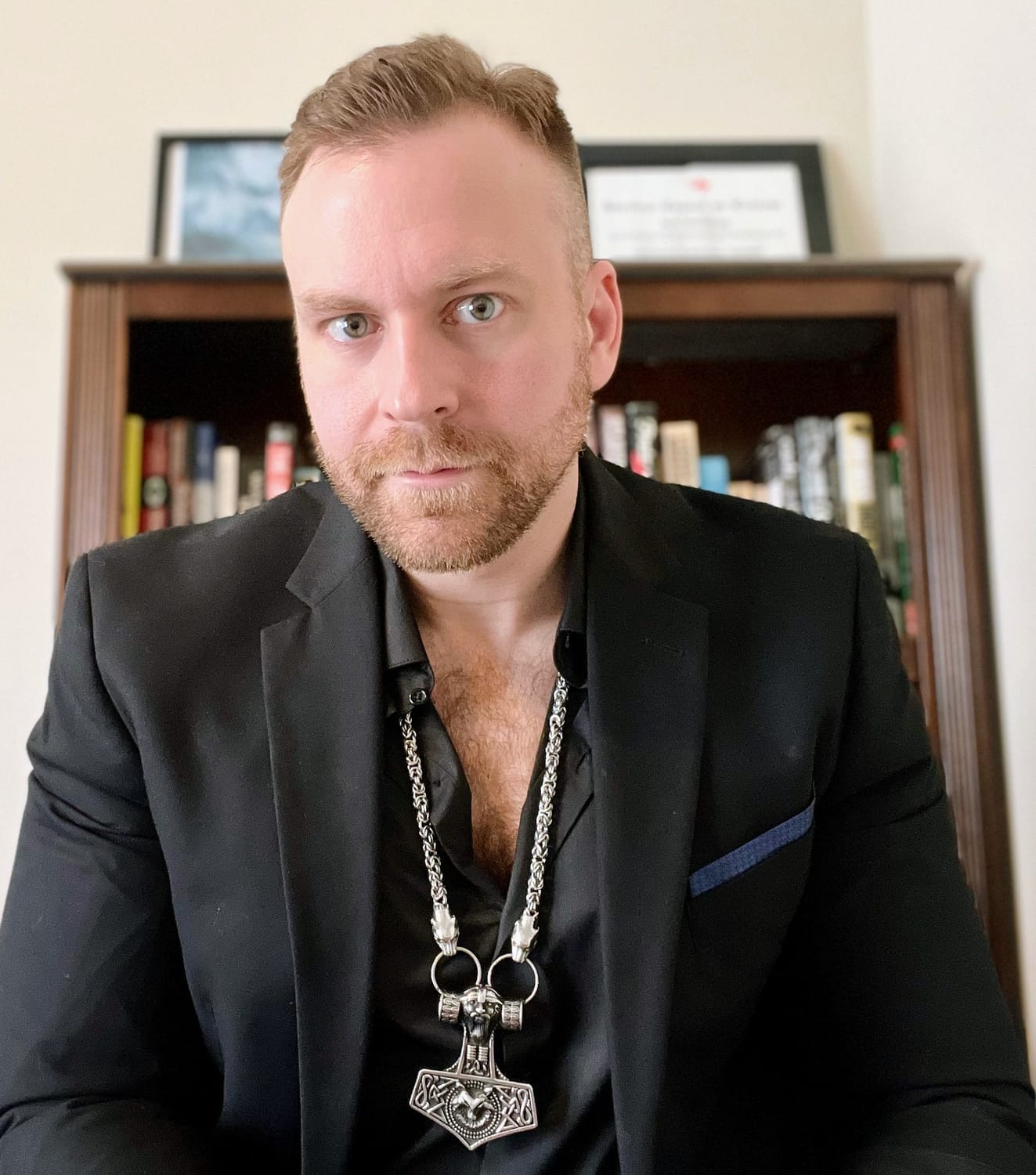
R. Jacob Honeybrook is a fiction author and contributor to TBM Horror. He also co-hosts the Midnight Terrors Podcast alongside Kevin Roche. Check out his books here. Follow him on Instagram!



Follow Us!


