Horror News
The Best Underground Horror

The Honeycut: At The Christmas Crossroads of Horror and Mythology
Christmas is kind of weird. In fact, most holidays are. Look no further than the Easter Bunny delivering eggs and chocolate. I find it odd that every adult knows that Santa Claus and the Easter Bunny aren’t real, yet we continue to teach these traditions to our children.
With Christmas, we have plenty of supernatural creatures to dig into: Santa, flying reindeer, magic elves, Krampus, etc. It’s no wonder we’ve seen so many holiday horror movies. I want to dig into some of these characters and see how they fit into the world of horror.
As a disclaimer, all of this information comes from things I’ve read. So, who knows if I remembered any of it correctly.
Like most religious holidays, Christmas came about during the spread of Christianity throughout Europe. Basically, Christians took existing beliefs and put their own spin on them to make it easier to convert the local pagan population.
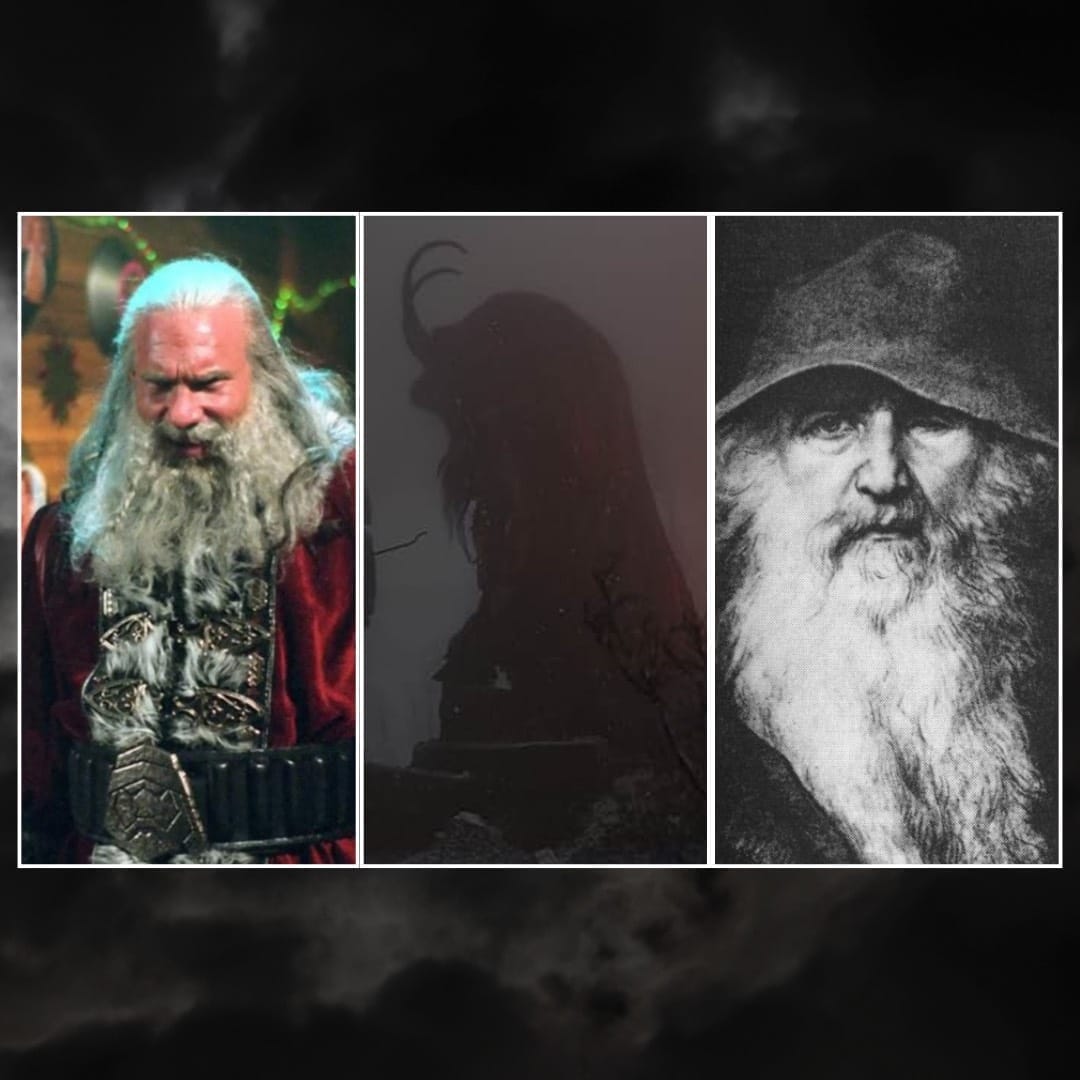
As we know it today, the holiday is steeped in Norse Mythology, even though it might not seem like it on the surface. I mean, Santa is basically the mascot of Coca-Cola. No wonder they freaked when “Silent Night, Deadly Night” came out back in the 80s. Anyway, Santa is basically the Norse god, Odin. Allow me to explain.
Each year, around the Winter Solstice (December 21), the Norse would honor the season of Yule. What happened during Yule? Odin would mount his eight-legged horse, Sleipnir, and take flight through the night sky, along with his warriors from Valhalla. This was called the Wild Hunt. You can probably see the similarities. Santa hops in his sled, pulled by eight reindeer, and flies off into the night. Only instead of this being an omen of war or hard times, Santa just breaks into your house, eats your cookies, and drinks your milk.
How about Santa’s magic elves who make all the toys? Well, elves in Norse Mythology are depicted more like fairies than anything. They aren’t exactly Legolas from “Lord of the Rings.” But what if I told you that in Viking Folklore there is a race of short guys who were excellent craftsmen? I’m talking about the dwarves. They were believed to have lived underground and would make armor, weapons, jewelry, etc., for the gods, who would often give these items as gifts. Now that sounds more familiar.
Surely Christmas trees can’t be tied to Vikings too. Think again. I forget exactly what they represent. However, in Norse Mythology, there is a tree of life that connects the Nine Worlds. It’s called Yggdrasil. That seems awfully coincidental to me. There’s also a giant serpent chewing the trunk of Yggdrasil, just like how our cats would always gnaw on the pines of our Christmas tree.
Krampus. Now there’s a strange character. I believe he comes from more Germanic Folklore. He seems like a Bavarian thing. But how wild is it that if you are bad, Santa will sic his demon sidekick on you to beat you with a switch?
So, looking at Christmas from the outside, with all of these otherworldly characters, it seems fitting that Art the Clown dressed up as Santa in “Terrifier 3.” We celebrate Christmas as this festive, jolly holiday, when really, it’s all comprised of legendary supernatural beings with magical powers. It’s a ready-made recipe for a good horror story if you ask me. Here’s a final example, and one everyone knows, Charles Dickens’ “A Christmas Carol.” This is one of the most beloved holiday stories and it’s filled with ghosts, time travel, and even Death himself!
What I’m saying with all of this is that Christmas has always belonged to horror. The creatures we now market as ‘cozy’ came from beliefs that were dark, ominous, and violent. Holiday horror movies don’t twist Christmas; they unmask it and bring it back to its roots. If you strip away the Coca-Cola ads and Hallmark movies, Christmas is a folklore horror anthology that somehow became a children’s holiday. So, the next time you watch “Santa’s Slay” or “Krampus,” maybe you’ll spot some hidden mythology and think of me.
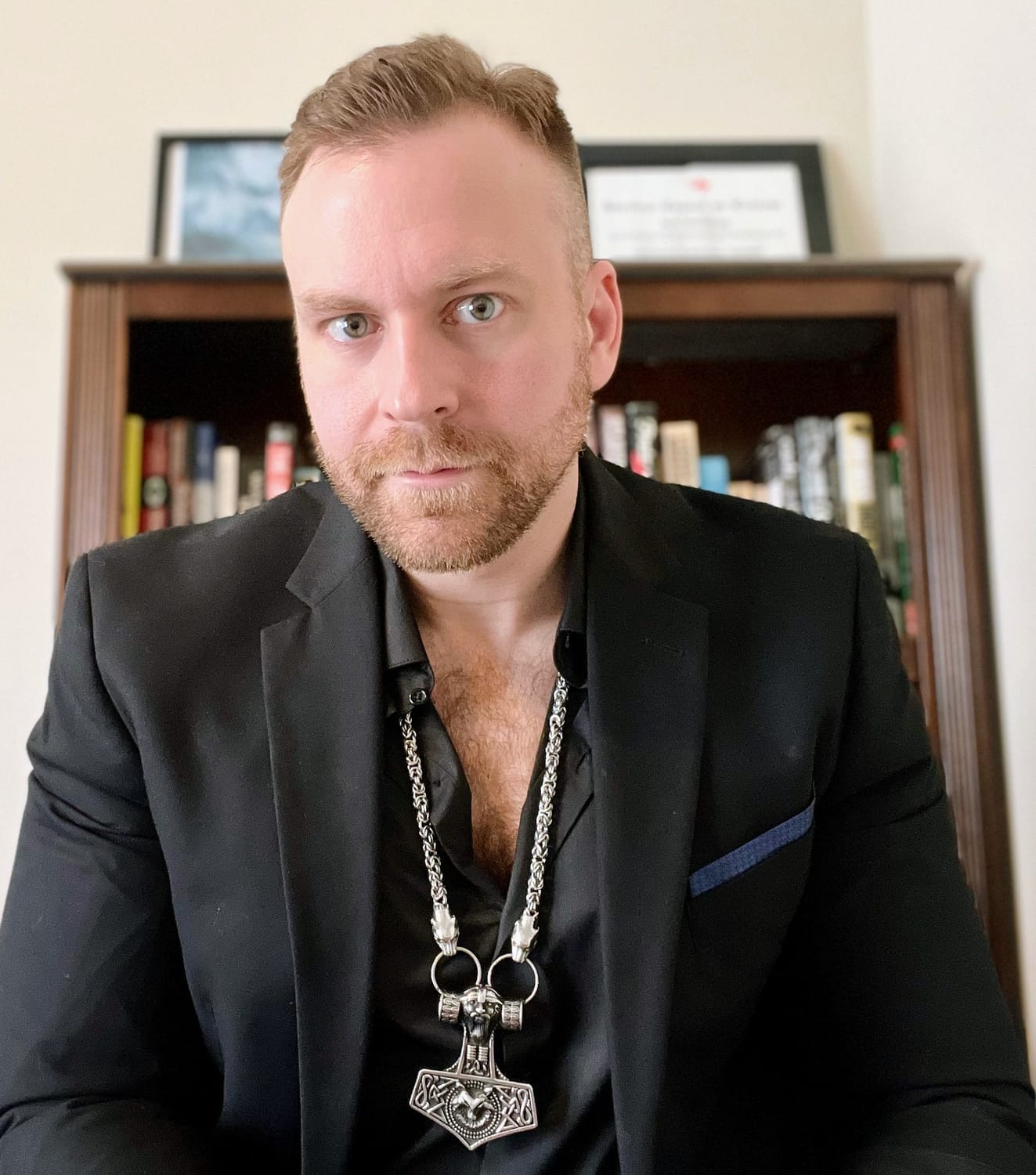
R. Jacob Honeybrook is a fiction author and contributor to TBM Horror. He also co-hosts the Midnight Terrors Podcast alongside Kevin Roche. Check out his books here. Follow him on Ins tagram!



Follow Us!


