
Horror News
The Best Underground Horror

The Honeycut: Author Viggy Parr Hampton Talks ‘Much Too Vulgar’ and Upcoming Book
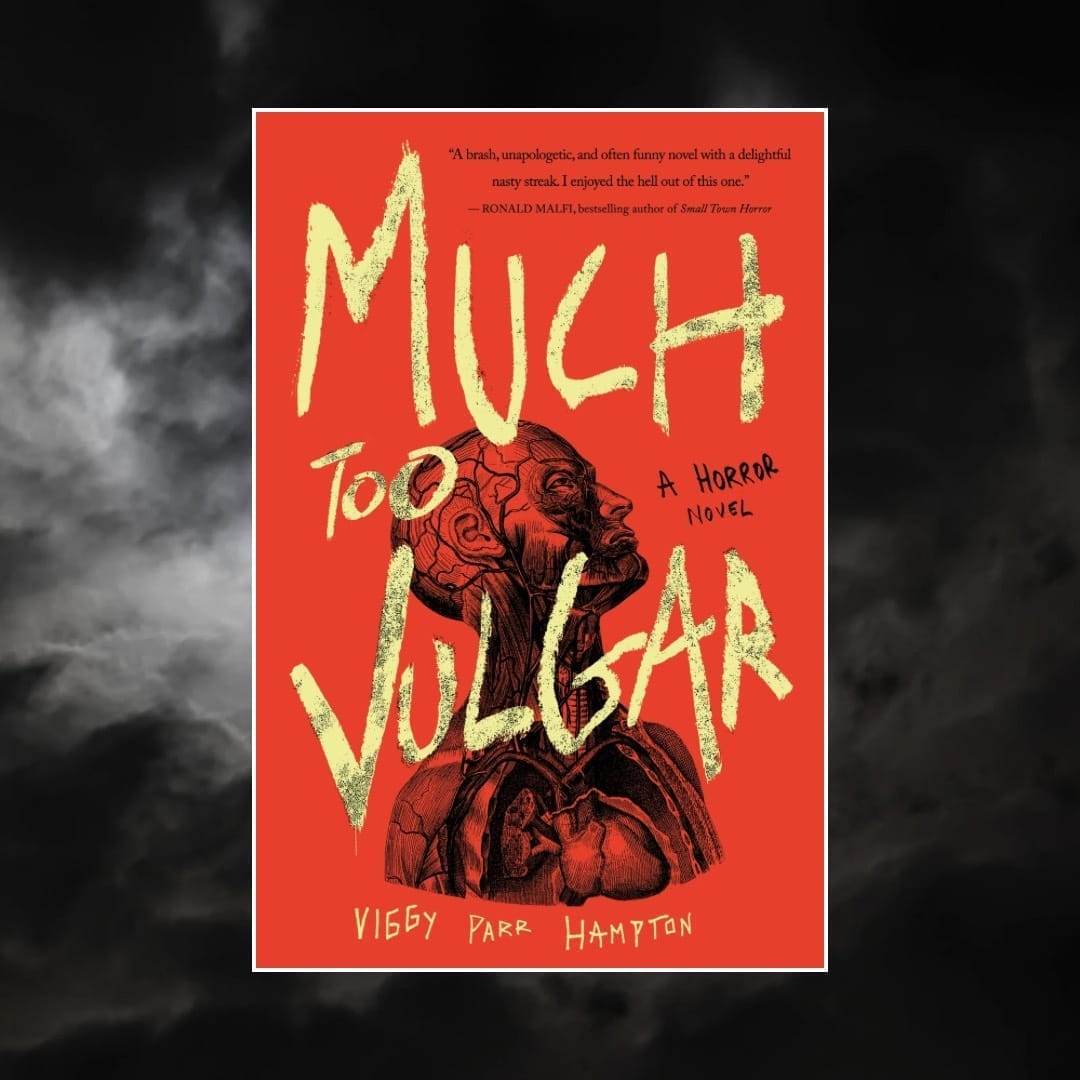
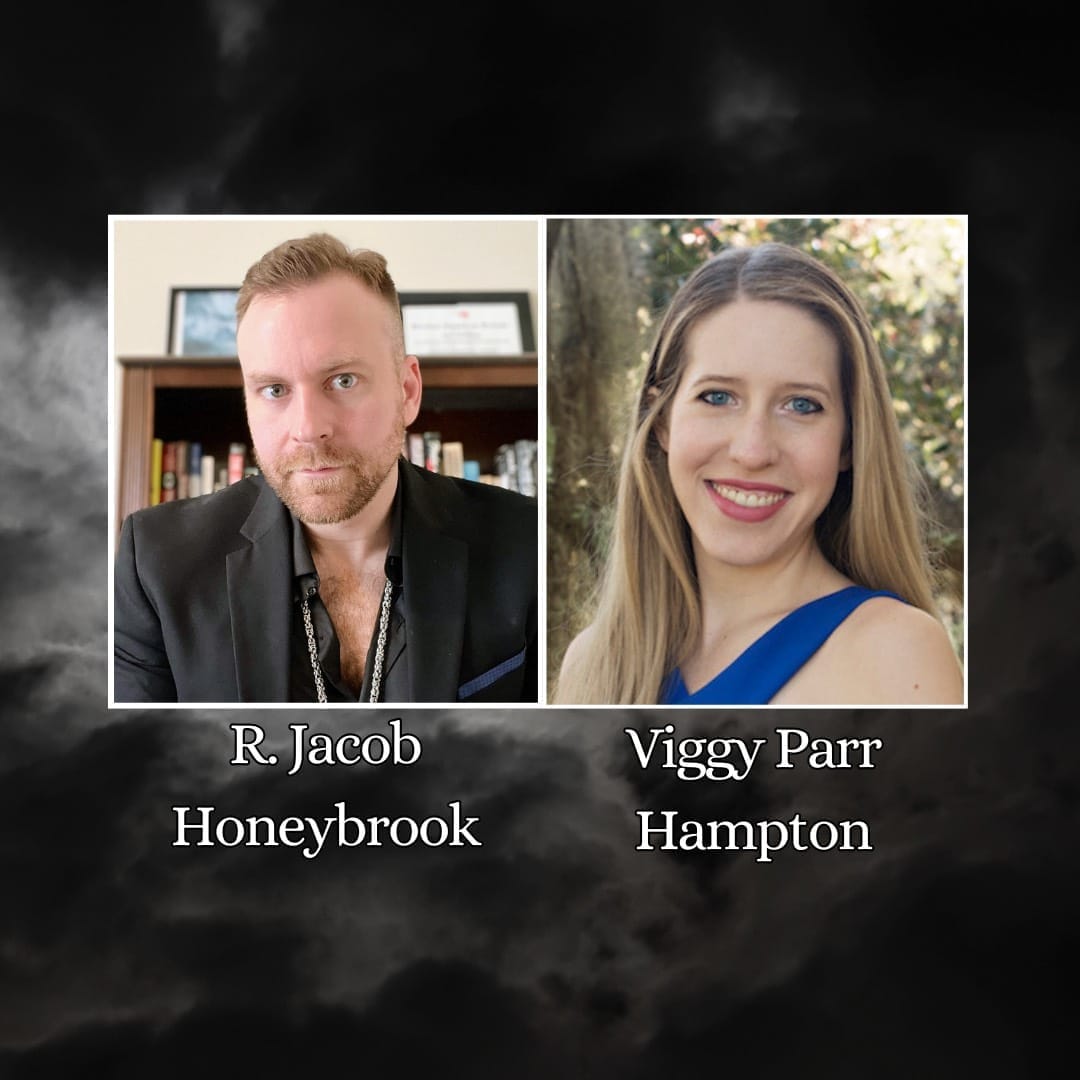
Earlier this year, I read horror author Viggy Parr Hampton’s debut novel, “A Cold Night for Alligators.” After that, I picked up her second release, “Much Too Vulgar.” The story follows a pre-med student named Keely as she descends into madness. After reading it, I had some questions for Viggy.
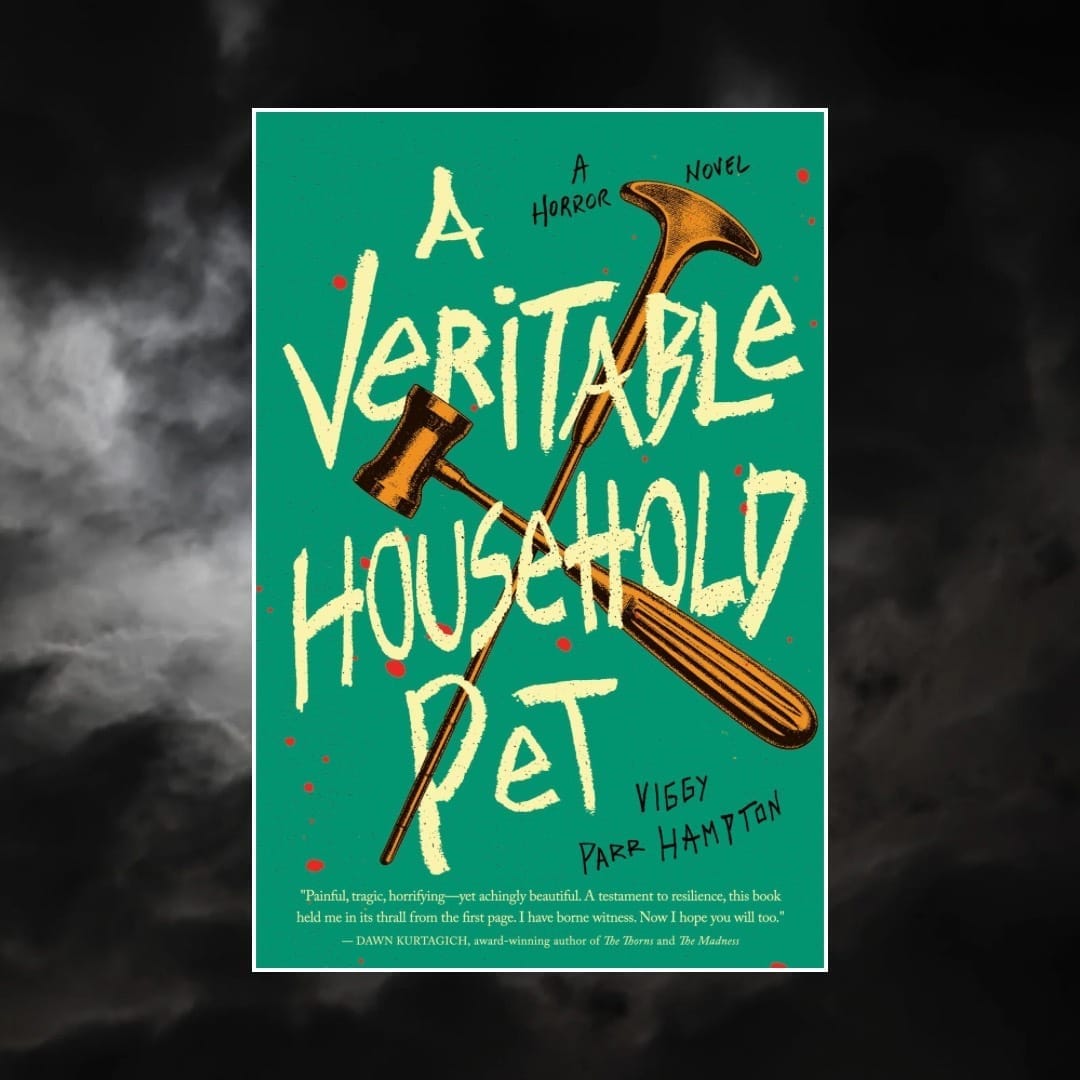
She is also about to release her fourth novel, entitled “A Veritable Household Pet.” It’s about a woman who received a lobotomy when she was 11 years old and was never the same. It’s based on historical events, with family drama, complex characters, and a gut-punch twist. It will be out on January 28, 2026.
Viggy joined me to discuss both!
R. Jacob Honeybrook: Before we get into “Much Too Vulgar,” what can you tell us about your upcoming release, “A Veritable Household Pet”?
Viggy Parr Hampton: “A Veritable Household Pet” is about Darla Gregory, who received a transorbital lobotomy at the age of 11. The story follows her life before, during, and after the procedure, but we also get the perspective of her sister Ellie, who acts as her caretaker and reluctant scribe. There are toxic family dynamics, medical body horror, a high-octane twist ending, and, at the center of it all, two very different but very resilient sisters.
RJH: What are you most excited about with your new book?
VPH: I’m most excited about the narrative structure. This book is new territory for me, mainly due to the format. It reads like an oral history or diary entry from Darla, but with her sister Ellie’s ‘Scribe’s notes’ interspersed throughout. As a result, we get a dual, simultaneous first-person POV!
RJH: How would you say this one compares or contrasts to your previous works?
VPH: This one is very different from “A Cold Night for Alligators” and “The Rotting Room,” but there are some similarities to “Much Too Vulgar.” “A Veritable Household Pet” is raw psychological horror, the kind of story that ‘could really happen’ (and, according to my blurber Ben Young, probably very well did happen). This book is more literary than my other works, with a strong focus on character (but, in my opinion, not at the expense of a plot that moves along quickly and ferociously). There are no supernatural monsters, no creepy nuns, and no gothic settings, but the horror is omnipresent all the same!
RJH: Shifting to “Much Too Vulgar,” it follows a pre-med student at Georgetown University. Reading your author’s note at the end, this story closely follows that of your own life, minus the whole going-crazy part. What made you choose that time in your life to base this on, and would you say that this is your most personal story?
VPH: I had so many fun, interesting, weird, and sometimes a bit unnerving experiences while I was an undergraduate at Georgetown, and after a while, all of that coalesced into what became the perfect setting for a horror story. Georgetown has so much history, so many hidden nooks and crannies and forgotten spaces. “The Exorcist” only plumbed a few of those depths, so I figured it was high time for a new Georgetown horror novel. Along with the setting, a story centered around such a formative time in a person’s life—young adulthood, the very pivotal shift from childhood to being a ‘real person’—felt like the perfect pairing for something truly horrific.
“Much Too Vulgar” is a personal story, for sure, mostly because I took all the nasty thoughts I might have (but never act upon, I promise!) and gave them to Keely. In that way, it was quite cathartic!
RJH: Your first book, “A Cold Night for Alligators,” is a much larger story. By that I mean there are plenty of characters and settings, plus it follows a clear narrative arc. “Much Too Vulgar” feels more like a character study on Keely. Was this intentional, and did you find it more or less difficult to write more of a confined, grounded story?
VPH: With “A Cold Night for Alligators,” I had so many threads I wanted to weave together. It was my first real novel-length project, and I don’t think I had quite found my voice yet. That’s not to say I don’t love that book—because I do, but I think writing “Much Too Vulgar” allowed the first inklings of my true writer voice to come through. Since “Much Too Vulgar,” writing in that confined, grounded way has become much more natural than the expansive, multi-POV and multi-character narrative of “A Cold Night for Alligators.”
RJH: While Keely does some pretty deranged things throughout the book, at her core, she is a very relatable character. I felt the same about Leona Franks, the antagonist in “A Cold Night for Alligators.” They are broken people who do horrible things, but you write them in a way that we can empathize with them. How do you make these terrible people so relatable?
VPH: I strongly believe that most people, unless you’re a saint, have had some horrible thoughts, and there are tipping points in every person’s life where their paths could drastically alter for the worse. With Leona and Keely, I’ve tried to create characters you can understand, and then I’ve sent them off down those ‘wrong’ paths. I find it so much more interesting to have villains with depth and humanity—they’re far scarier because they’re not caricatures.
RJH: Why do you think we are drawn to flawed characters like Keely and Leona? As my mom puts it, “Why can’t you write nice books?”
VPH: Even if you’re afraid of the dark, you want to know what’s hiding inside of it. That’s how I feel about characters like Leona and Keely. I want to know what made them how they are, why they do what they do, and why they can’t stop. Giving dimension to their flaws helps us understand them, which, even though they can be terrifying, takes some of the edge off because it partially removes that fear of the unknown.
RJH: Keely talks a lot about having to wear a mask to hide her true self. I feel like that hits with a lot of people. We act in a certain way at work, another way with friends, a slightly different way with family, etc. Why did you want to explore this theme?
VPH: I always find it interesting when people alter their personalities and actions to fit the people they’re with or the situations they’re in. We all do it, at least to some degree, whether because we want to fit in, remain invisible, or put people at ease. When I see someone acting differently than usual, I always wonder what’s really running through their minds. With a character like Keely, I got to explore every one of those nasty little thoughts—which, I’m not going to lie, was extremely fun.
RJH: The tragedy of Keely’s story is that she pushes away everyone who is trying to help her. Why do you think Keely, and often people in general, are so opposed to accepting help when they need it?
VPH: People have so much pride and ego, and they don’t want to admit when something is wrong. They also don’t want to be a burden on others. Far too many people think that asking for help makes them weak or difficult, but I actually think it makes you stronger. By showing how Keely’s life really spirals downward because of her ego, I can show people how important it is to ask for and accept help.
RJH: With all of your published work, what is it that you want readers to take away from your writing?
VPH: I want people to feel something—and not always plain fear, either. I want people to think about the characters, to empathize with them. Fiction, and, in my opinion, especially horror, is one of the best tools we have to understand the world and the people around us. If my readers can come away from my books with some new understanding, some new depth, some new insight into an unexplored facet of humanity, then I’ve done my job.
Thank you to Viggy for taking the time for this interview. Check out all of her books and pre-order “A Veritable Household Pet.” Follow Viggy on Instagram and TikTok!
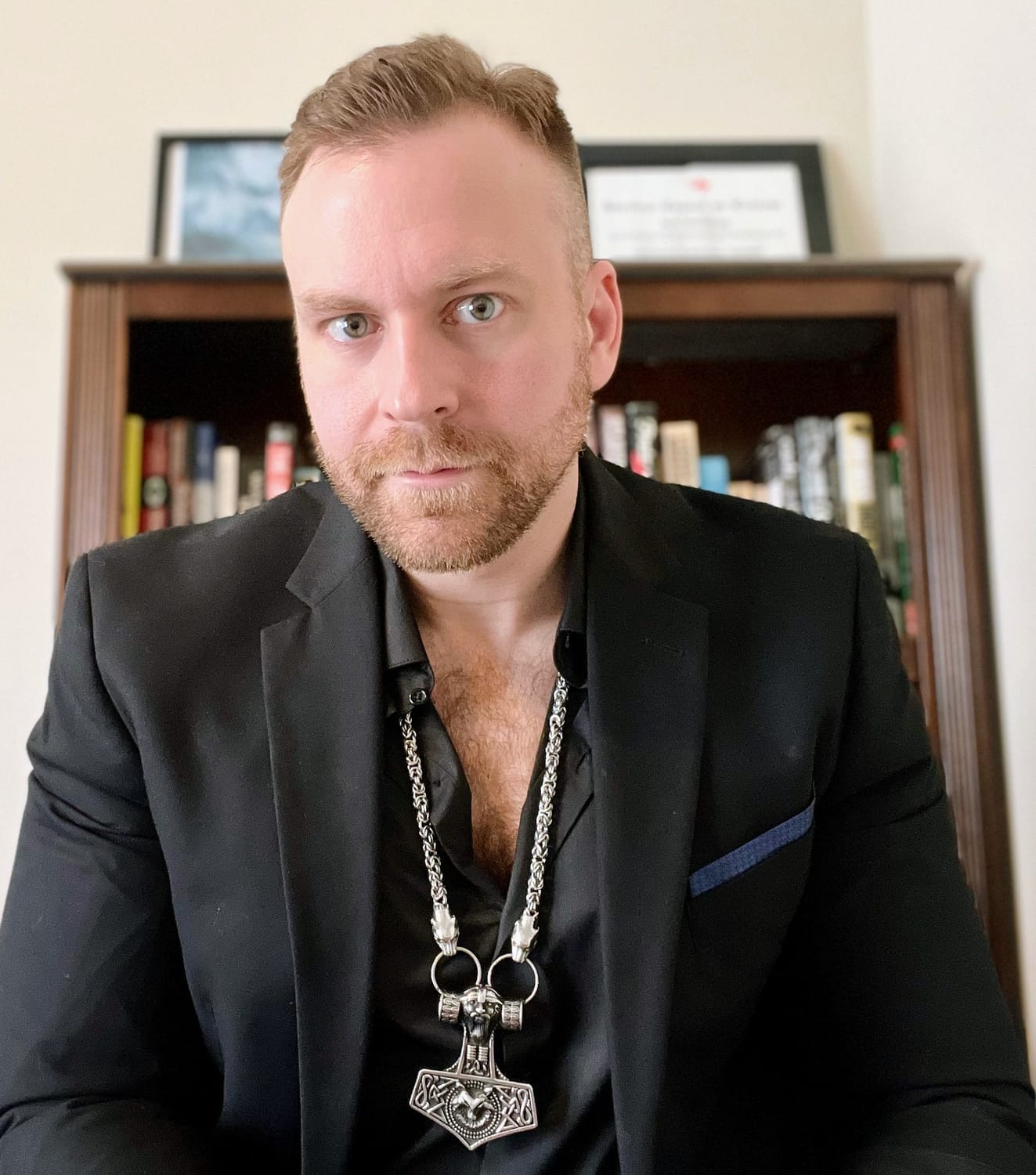
R. Jacob Honeybrook is a fiction author and contributor to TBM Horror. He also co-hosts the Midnight Terrors Podcast alongside Kevin Roche. Check out his books here. Follow him on Instagram!




Follow Us!


